A Little History
During the catastrophic Dust Bowl of the 1930s, testimony was given by Hugh Hammond Bennett before a Congressional committee in support of creating the Soil Conservation Service. At the time, Bennett was serving as a soil scientist and Director of the Soil Erosion Service. As a result, the Soil Conservation Act of April 27, 1935, was enacted, and USDA's Soil Conservation Service was officially established. Bennett was later appointed as its chief, a role in which he would remain until his retirement. Soon after, President Franklin D. Roosevelt proposed that the Standard State Soil Conservation Districts Act be signed into law, and the USDA drafted the legislation, which was then sent to all states in 1937.
The Kent Soil and Water Conservation District was founded on May 8, 1938. It is recognized as the oldest soil conservation district in Maryland and in the Northeastern United States. Today, more than 3,000 soil conservation districts are operated across all 50 states.
"A nation that destroys its soil destroys itself." - Franklin D. Roosevelt
Why is Conservation Important?
Conservation helps to reduce and prevent sediment and nutrient pollution coming from fields reaching the Chesapeake Bay via the Chester or Sassafras rivers. Excess nutrients in the water causes algae blooms. When the algae die, they are fed on by microbes that decompose them. These bacteria take up dissolved oxygen in the water leaving less oxygen for other aquatic organisms. When there is too little oxygen to support the certain species, the water is considered hypoxic, or also referred to as a "dead zone", reducing the aquatic life that can be supported.
Sediment is an issue because crops and plants lose access to needed nutrients. An excess of sediment in the water blocks sunlight from reaching the underwater plants that produce oxygen. Sediment also inhibits the ability of predator fish to see and to hunt. This also smothers bottom dwelling species like oysters, and creates overall unfavorable conditions for aquatic life.
Our Mission
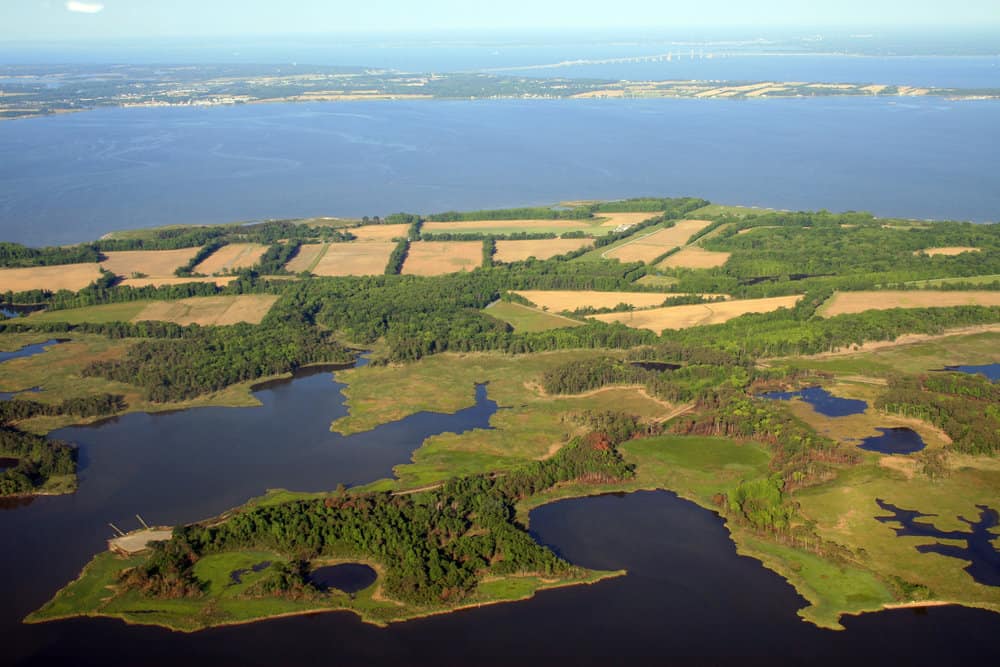
The Kent Soil and Water Conservation District partners with local, state, and federal agencies to help protect the Chesapeake Bay. The District works with landowners to install conservation practices to protect soil health, prevent erosion control, and to reduce run off to nutrients and chemicals into the Chesapeake Bay Watershed.
Our Goals
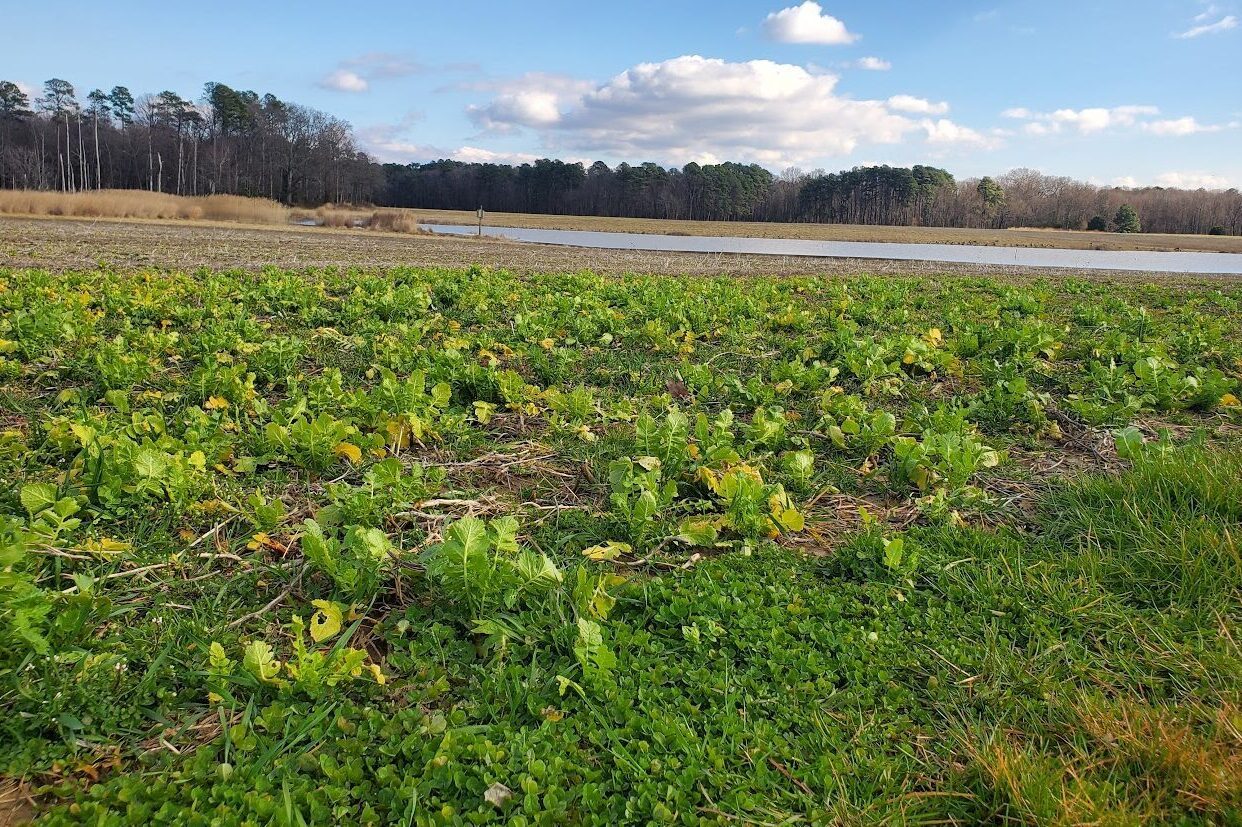
Kent County is bordered on three sides by water; the Sassafras and Chester rivers, and the Chesapeake Bay. Agriculture compromises around 65% of the land use. Therefore, reducing nutrient and sediment pollution from agriculture can make a significant difference in improving water quality. The Watershed Implementation Plan sets up a series of goals for reducing pollution by creating a target Total Daily Maximum Load or maximum amount of pollution that is allowed to enter the rivers or the Bay each day.
2026 Q3 Newsletter
Click Q3 2026 Newsletter to read our Conservation Quarterly Newsletter. We hope you enjoy it!
Kent County #2 in Cover Crop-MDA’s Conservation Annual Report
MDA’s 2025 Conservation Program Annual Report lists Kent County as #2 in Cover Crop acres, but so much more media. Click MDA 2025 Conservation Annual Report for the 2025 Conservation Program Annual Report.
American Farmland Trust and Million Acre Challenge

Wescott & Andelot Scholarship
The application period is now CLOSED to all high school seniors planning to pursue a degree in agriculture or natural resources in college.